Got 60 seconds to learn the real value of custom software? Check out the video to learn more.

About

Bob Shockey

Bob Shockey is the founder and lead architect at Alchemy Group, a full-service software design and development company based in Southern California. With over 30 years of experience in visual design and database development, Bob leads a team dedicated to building simple, useful, and beautiful software solutions tailored to your needs - especially for businesses facing operational complexity. After earning his degree from Otis Art Institute in 1986, Bob built a long and successful career in publishing and visual effects, blending design and technology to solve creative challenges. His interest in workflow optimization led him to FileMaker, where he discovered a platform that combined structure with creative freedom. That discovery became the foundation for The Alchemy Group, which he founded in 1999 to help businesses simplify complex operations through custom software. Bob specializes in solving difficult business problems like field service coordination, scheduling, estimating, inventory control, and workflow automation. His solutions are used daily across industries to improve accuracy, reduce waste, and streamline operations - including a recent mobile job-routing and payment system that helped a field service company go paperless and more profitable. As a FileMaker Certified Developer, Bob has spoken at FileMaker DevCon (San Diego, San Antonio, Miami Beach), Pause on Error, and FMDiSC events on topics including customer support, interface design, and business process optimization. He’s also been featured on the Fireside FileMaker podcast and serves on the FMDiSC Advisory Board, helping mentor the next generation of developers. His early innovations earned him the top prize in the FileMaker DevCon Solution Contest (2004). Outside of work, Bob is a professionally trained artist and lifelong student of music, martial arts, and creativity. He lives in Southern California with his wife and daughter.
Ruggedized iPad Case with Swiper

Ruggedized iPad Case with Swiper

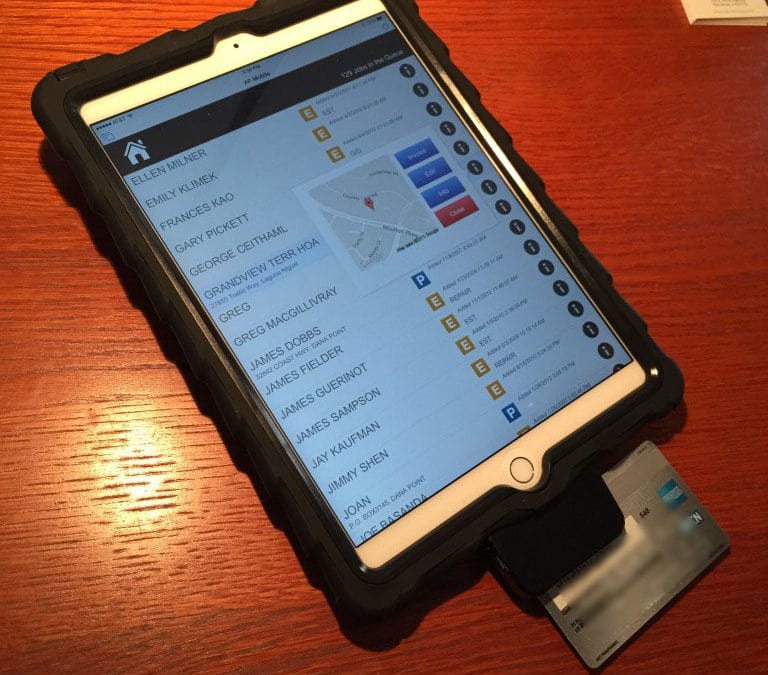
I thought I would share a quick note on an interesting project for a client. We are deploying a FileMaker solution on some iPad Air 2s, using FileMaker Go. This is an invoicing/POS system for plumbers to accept on-site payment from customers at the close of a job. We...

Getting Started with Design 2: Type

Getting Started with Design 2: Type

Many developer types are confused about the entire topic of typography. What's the big deal? If you can read it, it's working, right? Not necessarily. In part 2 of the "Getting Started with Design" series, we will explore what makes type so important to a design, and...

Double-keying: We Have Penicillin

Double-keying: We Have Penicillin

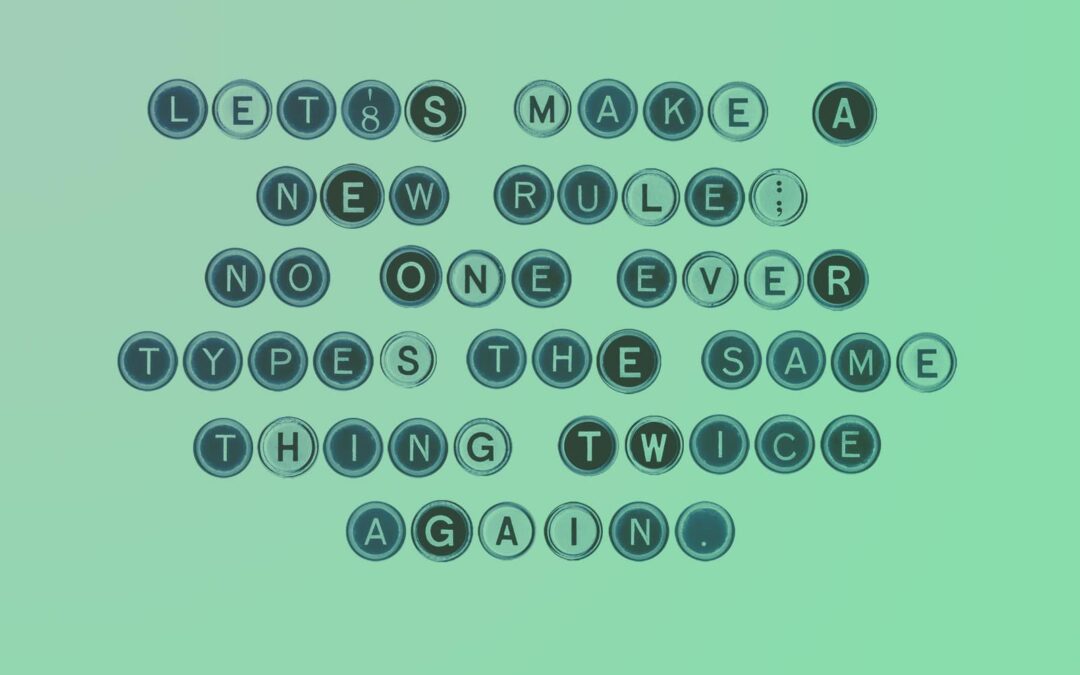
If you were to ask me what's the most common source of pain for new, first-time clients, I can say unequivocally that it's double-keying – the practice of entering the same piece of information in more than one location (e.g. two different Excel documents). Sometimes...

New Skin: A Case Study

New Skin: A Case Study

What happens when your client does not like the look and feel you have created in your FileMaker database? You have little choice but to give them something better suited to their sensibilities. When faced with just such a problem, here's how we solved it. The Issue:...

The Pocket Watch Returns

The Pocket Watch Returns

Design sometimes resembles nothing more than a minefield. Take, for example, the article by Robert McMillen in Wired, in which he convincingly argues that people aren't ready for a watch that augments the iPhone. In essence, people might not be willing to replace the...

The Tragedy of Comic Sans

The Tragedy of Comic Sans

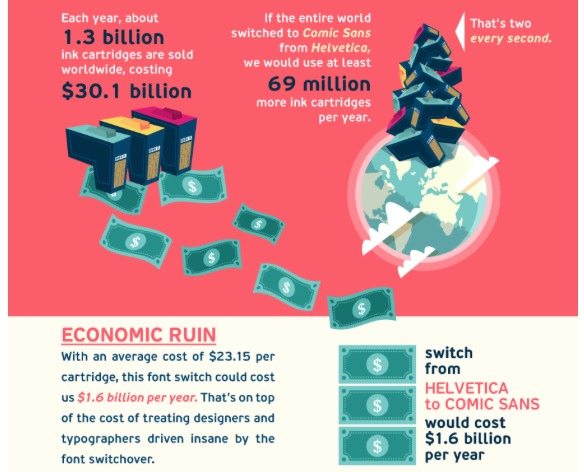
In what may be the definitive final argument in the Comic Sans wars (those of you who attended my FileMaker DevCon session know what I'm on about), Pixartprinting via Sara Boboltz of Huffington Post have given us an infographic that shows the true economic and...

The Purpose of Icons

The Purpose of Icons

Key Takeaways Icons guide interaction and reduce cognitive load: The primary purpose of icons is to visually communicate actions, options, or statuses faster than text—helping users engage with software more intuitively and efficiently. Solid vs. outline icons...